The Blue Flame
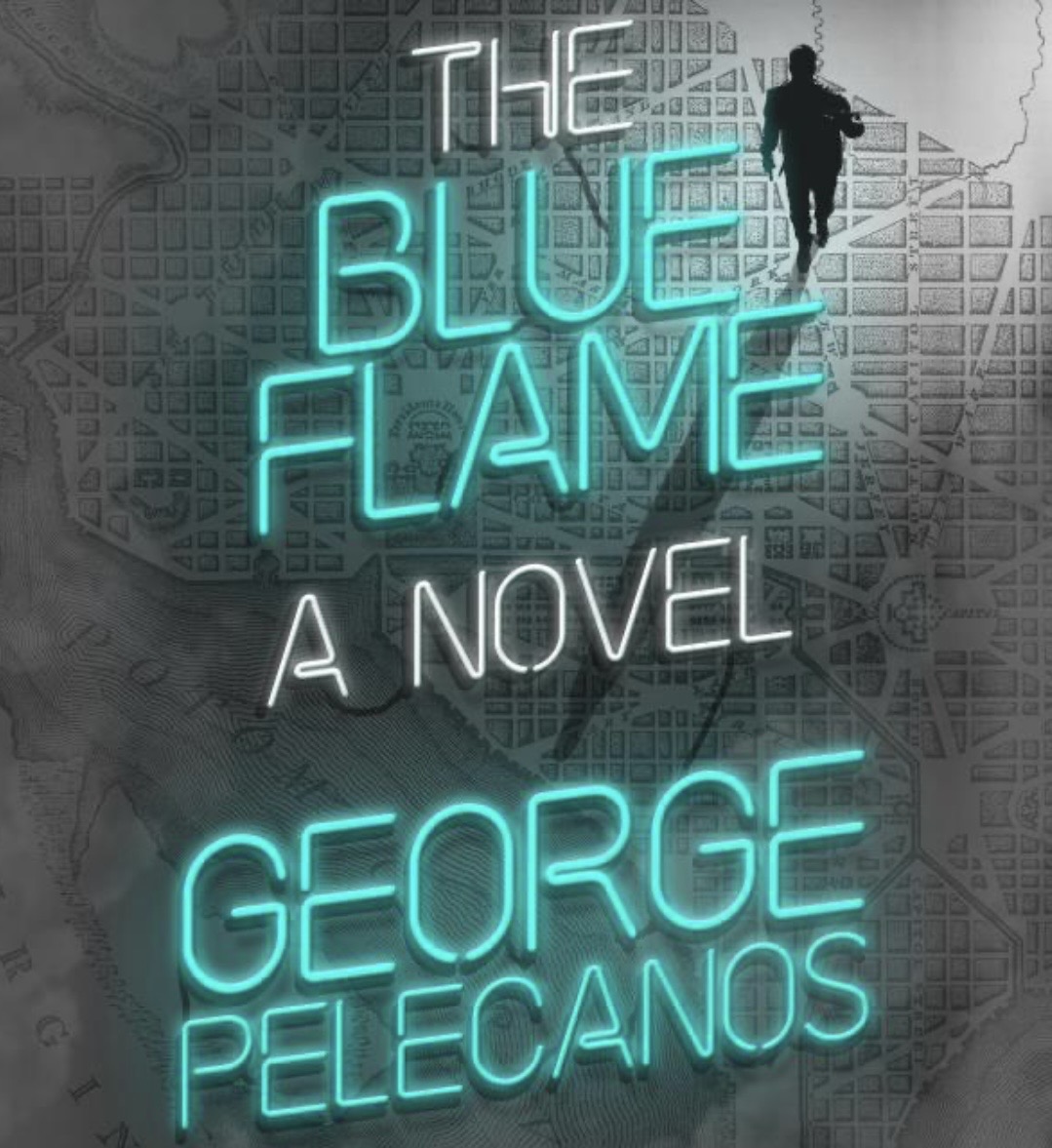
It feels like I've been enthusiastically reading novels by George Pelecanos since I was born.
But, no, I was well past 50 before I'd heard of Pelecanos, much less read one of his novels.
This was in 2008 or so when I read a review of his latest. Think it was The Gardner. Or maybe The Turnaround. Don't know. Doesn't matter. Whichever it was, I was hooked. And in time, I'd read them all.
You can learn a lot from a Pelecanos novel about the rise and fall of America's great cities--as seen from the perspective of a white writer who wrote about Black neighborhoods as though he'd lived there all his life. He could have been writing about parts of Chicago. But in Pelecanos's case, it was his beloved Washington, D.C.
Chronologically speaking, his novels take us from the '40s to the nows. Through Jim Crow, Black power, white flight, uprisings, drug scourge, disinvestment and gentrification.
His protagonist is often a stoical Black man, working outside the system to solve crimes the cops are too clueless or racist or indifferent to solve.
A man who cringes at the hypocrisy of white people, who he barely puts up with and only cause he has to.
Who loves cars, soul music, pit bulls, westerns and noir movies.
And is a bit irritated that the new gentrifiers moving into the old neighborhoods know or care nothing about the past. Which lives on in his memory, if nowhere else.
Or, as one character, says about the protagonist of The Blue Flame, Pelecanos's latest novel...
"He's one of those back-in-the-day-motherfuckers."
God, I love that line. I realize it applies to me. Ought to put it on a T-shirt.
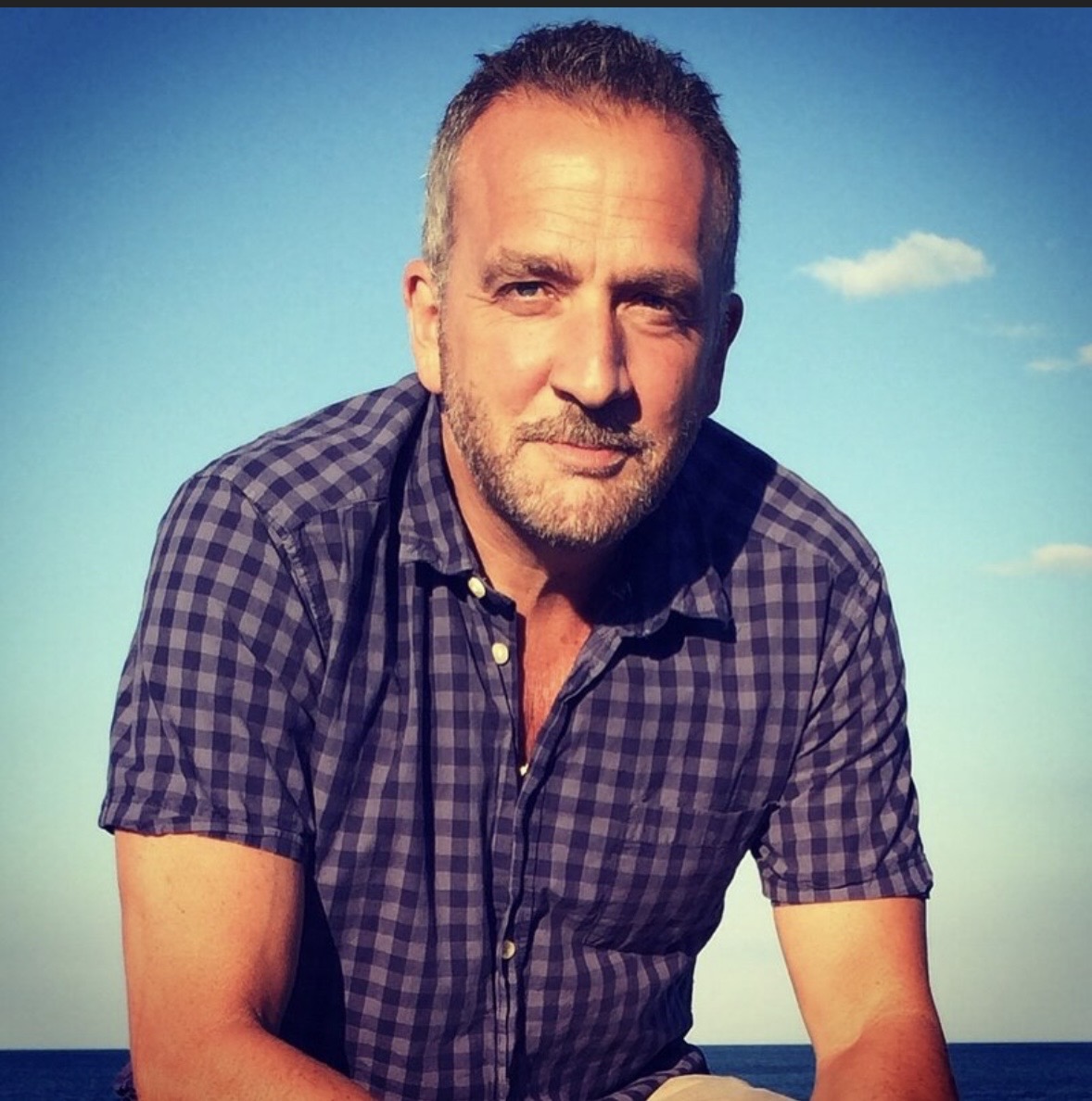
Keep `em coming, Mr. P...
It's been a moment since the last Pelecanos novel. The man’s been busy. He hooked up with David Simon and started writing scripts for The Wire, Deuce, We Own This City and other TV shows.
Got to admit, I'm a little selfish when it comes to novelists and TV. I want them to keep writing the novels I love. Even though they've discovered they can make some real money writing for TV. It's easier, too. Plus, they get to hang out with stars and starlets. Can't say I blame them. I'd probably do the same, if given the chance.
So, I'd pretty much given up on reading another novel by Pelecanos. And then my friend in reading--what up, Timo!--told me he'd just finished The Blue Flame.
And I said--A new novel by Pelecanos! How come no one told me? And I gobbled it up as soon as I could.
It features Derek Strange, a private detective, and one of Pelecanos's favorite characters. Must be half-a-dozen Strange novels. If you consider Strange retired from the Washington police force in `68, he ought to be pushing 90. But Pelecanos plays loosey goosey with Strange's age, so, really, who am I to keep count?
In the course of The Blue Flame, Strange gives us many lessons on classic movies and music from back in the day, expressing his love for The Claudine soundtrack, Blue Otis, psychedelic soul, O.V. Wright, Lee Marvin and Caliber 9.
That's an Italian-language gangster flick from 1972. Strange's client, Anthony, claims to have been watching it the night he allegedly committed a murder. It's his alibi, which leads to the following exchange between Strange and Anthony...
"Strange said, `Caliber 9.'"
"`Huh?'"
"`That was the movie you and Kenneth were watching at the time of Nigel's murder.'"
"`Yeah, that's right.'"
"`I watched it. It was cool how that guy Ugo got away with the money in the end.'"
"Anthony's eyes smiled. "`You think you're slick.'"
"`What?'"
"`Ugo didn't get away with it. His girlfriend, Barbara Bouchet, she betrayed him. Try'na trip me up, Derek.'"
"`Double-checking your alibi, is all.'"
If that dialogue is your thing, hop on over to your local library and catch up on your Pelecanos. It's not too late to be one of those back-in-the-day motherfuckers.
Country of Lords


 RSS Feed
