Dodge City
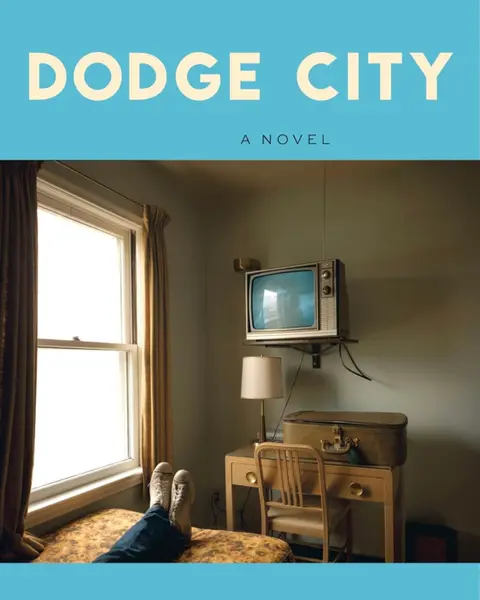
The protagonist of Patrick deWitt's latest novel--Dodge City--faces a fight-or-fight choice that propels you through 248 pages of stay-up-late reading.
At least it did for me.
Finished it at 7 am. A new record for all night read-a-thons. Got about 4 hours sleep. Stumbled around in a daze for the rest of the day. Damn you, Patrick deWitt.
Let me set the scene…
It's 1967. The War in Vietnam is raging. And the protagonist, Leland "Lee" Clarke, is a student at UCLA, protected from the war by a student deferment that keeps him from getting drafted.
But…
Leland gets booted from UCLA after slugging the son of a well-connected university benefactor in an ill-advised fist fight. Thus losing his student deferment. And before he can enroll in a local junior college, he gets a draft notice letter from the feds telling him to report.
That leads to his choice. He opts for the latter.
And so he takes off on a cross-country trip to Canada. Giving him a chance to catch up with his nutty relatives, scattered here and there. Sparking conversations that are painfully funny.
Makes me feel sorry for Lee. It's like he’s talking to passive-aggressive robots, who talk in circles. Guaranteed to make a sane man mad.
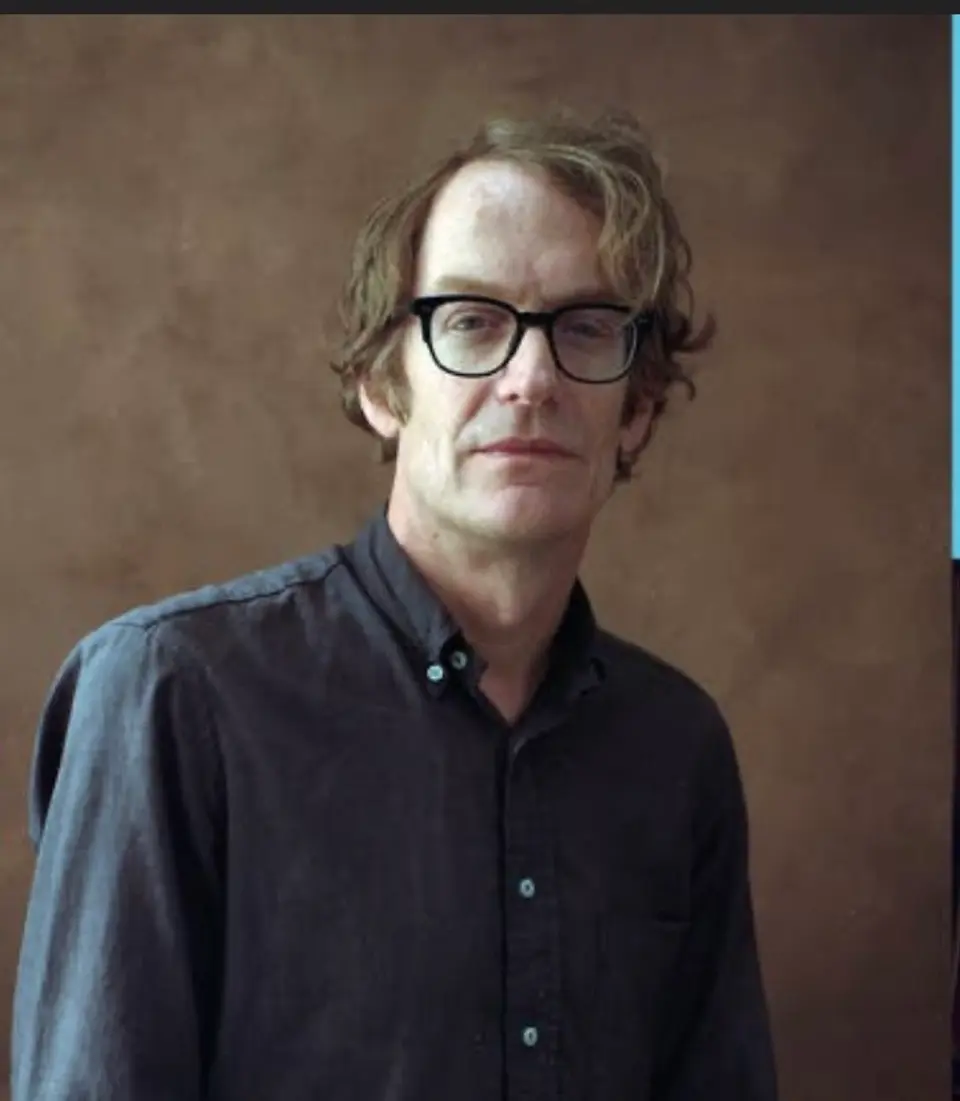
Master of dialogue—Patrick deWitt
As in this exchange with a Mr. Dewey, the supervisor at the local draft office, after Lee received his draft notice earlier then expected.
"’That’s strange,’ said Mr. Dewey.
"Yes," said Lee, nodding. "You told me I wouldn't see anything for three months at least.’
"’That’s right, and you shouldn't have.’
"So what happened?’
"’I can't claim to know, Mr. Clarke.’
“‘But are you saying a mistake's been made?’
"’I don't believe I'm saying that, no.’
"’But you're thinking something can be done?’
"’I don't believe I'm saying that, either. Understand that we're talking about a large piece of machinery here.’
"But if something is wrong, it's wrong, right?’
”’True enough, as statements go. But I’m not saying this is wrong, I’m saying it’s strange.’
“‘But when something is strange, it’s because it’s wrong.’
"’I'm disinclined to agree with that. And again, Mr. Clarke, we're talking about a large piece of machinery.’
"’And what does that mean?’
“‘It means that a discussion regarding the subtle yet in this case significant difference between strange and wrong is hard to parse in the din.’”
Like I said. Maddeningly passive aggressive. Yet, darkly funny. If you’re not Leland Clarke, that is.
Then there's Lee’s exchange with his father, a World War II vet, who wants him to accept his fate and report for service.
"’Do me the favor of admitting it’s a hard war to get behind,’” said Lee.
"’Sure. I'll go along with that. But we don't get to pick our wars, Lee.'
"`No.'
"`The war they give you, that's your war. And you can drag your heels and bellyache all you want, but you're talking to me about abandoning your own country, and I really don't know what you expect me to about that other than, buddy, I wouldn't do it if I were you.'
"’Okay, but don't you think it's weird that they expect us to go over there and murder strangers?'
"`You want to get to know them first? Play canasta? Don't forget that the strangers are trying to murder you.'
"'Don't you think that's weird?'
"I think it's unfortunate. But that's just the way it goes, isn't that right?'
"`Is it?'
"'Yes, it is. That's the way it's aways gone and will always go. Cavemen went to war, so will spacemen. It's just part of the male American experience.’”
And then there's this exchange between Lee and his brother, who says...
Oh, just read the book yourself. If it keeps you up at night, so be it. When it comes to riveting reading, sleep is overrated.

The Power Of Powerlessness


 RSS Feed
